A slow kitchen sink and a sewer backup can look similar at first, but the number of affected fixtures and what happens when water runs can offer useful clues. They cannot confirm the cause on their own. Venting or another plumbing problem can create overlapping symptoms, so treat them as information to share with a plumber, not as a diagnosis.
A problem confined to one fixture may be a localized blockage. When several fixtures are affected, or one fixture triggers water to appear elsewhere, the issue may involve a shared drain or sewer line. For a quick guide to these patterns, see the City of Fargo’s sewer blockage guidance.
One fixture or a shared drain?
Each fixture connects to a drain path, and those paths join other drains before wastewater leaves the home. A blockage close to one sink may affect only that sink. A restriction farther along a shared section can affect more than one fixture. The lowest drains may show a backup first, but layouts vary from home to home.
A sewer blockage does not automatically mean a pipe needs replacement. A blockage may be cleared if the pipe is otherwise usable. If symptoms persist or return, a plumber can assess what is happening and explain whether more evaluation or a repair is appropriate.
Common symptoms at a glance
| Symptom | What it may suggest | Sensible next step |
|---|---|---|
| One slow or backed-up fixture | A localized blockage is possible | Stop using it if it is backing up; note whether other fixtures work normally |
| Several fixtures slow or backing up | A shared drain or sewer problem is possible | Limit water use and contact a plumber for evaluation |
| Water appears in a tub or shower when a toilet is flushed | A shared drain path may be restricted | Stop flushing or running water; describe which fixture triggers it |
| Clog returns after it was cleared | The blockage may remain or another issue may be present | Tell the plumber how soon it returned and what was done |
| Gurgling or odors without visible backup | A drain, venting, trap, or other plumbing issue may be involved | Record where and when it happens; arrange an evaluation if it persists |
Five situations homeowners notice
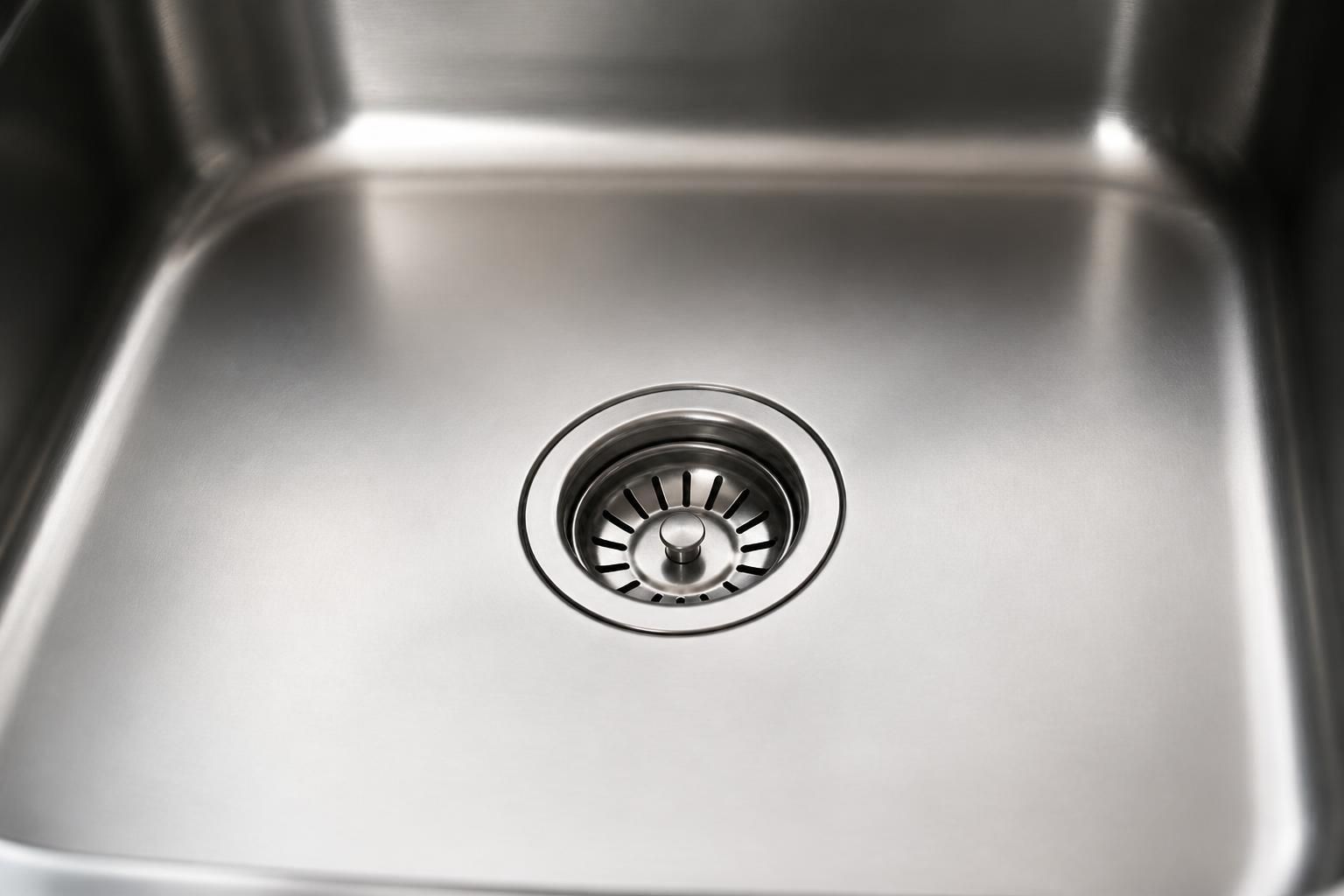
Kitchen sink backs up while other fixtures work
If the kitchen sink is the only fixture acting up, the restriction may be in that sink’s drain or a nearby branch. Other sinks, tubs, and toilets working normally is useful context, but it does not prove exactly where the blockage is. Avoid repeatedly filling and draining the sink if water is backing up.
Shower or tub backs up when the toilet flushes
Water showing up in a tub or shower when a toilet is flushed can suggest that the fixtures share a restricted drain path. Stop using the toilet and the affected shower or tub until the situation is assessed. Note whether the same thing happens when another fixture drains. Do not keep flushing to test it.
Several drains become slow together
Several drains changing around the same time raises more concern for a problem farther along a shared line than a single isolated clog. It can also have other causes. Reduce water use, especially if any fixture is backing up, and tell the plumber which rooms and fixtures are affected.
A clog returns after it was cleared
A recurring clog may mean some obstruction remains, the restriction is farther down the line, or a separate plumbing issue is contributing. Recurrence does not by itself establish pipe damage or mean replacement is needed. Share when the clog returned and what was used to clear it.
Gurgling or odors occur without a visible backup
Gurgling or a drain odor can happen with a partial blockage, a dry or disturbed trap, venting trouble, or other conditions. Without visible backup, these signs still do not identify a single cause. Keep track of where the sound or odor occurs and whether it follows use of another fixture. If it persists, mention it when arranging service.
What to Do During an Active Backup
- Stop using the affected fixtures and avoid running more water, including appliances that drain into the plumbing.
- Keep people and pets away from sewage and avoid contact with contaminated water. Sewage can carry harmful contaminants. See EPA Region 1’s guidance for sewer backups for additional precautions.
- Stay away from standing water near outlets, appliances, or other electrical equipment. Do not enter a wet area where an electrical hazard may be present.
- Do not mix drain chemicals or add more chemicals. If a chemical cleaner has already been used, do not add another product and tell the plumber exactly what was used, if known. Poison Control notes that some drain cleaners contain corrosive chemicals and should be handled with great caution.
- Contact a plumber for an evaluation. If wastewater is actively entering the home, explain that when you call.
What information helps when you call?
A few observations can help the plumber understand the situation before arrival. You do not need to diagnose it or run more water to gather information. Share:
- Which fixtures are affected and which still seem to work normally
- When the symptoms began and whether they are constant or intermittent
- Whether using one fixture seems to trigger a backup somewhere else
- Whether similar clogs have happened before and how recently they returned
- Whether any drain chemicals were used, including the product name if available
How evaluation and drain clearing work
Roy’s Rooter starts by asking about the symptoms, the fixtures involved, and whether the problem has happened before. The affected drain is assessed, then an appropriate clearing approach is selected based on what the plumber finds. After clearing, drainage can be checked and any signs of a recurring or deeper concern discussed. The exact next step depends on the situation; this guide does not assume a particular inspection method or repair is needed.
If a blockage is cleared and the pipe remains usable, replacement may not be necessary. If the problem comes back or symptoms suggest another issue, further evaluation can help determine what is appropriate. Learn about drain cleaning and sewer line repair. For an urgent active backup, see emergency plumbing.
Frequently asked questions
Can a single slow drain still be part of a larger problem?
It can. A single symptom is not enough to rule a larger issue in or out. Note whether the problem changes, returns, or begins affecting other fixtures.
Should I use a plunger or a chemical cleaner during a backup?
When water is actively backing up, stop using the affected fixture and avoid adding chemicals. If chemicals were already used, tell the plumber before anyone works on the drain.
Do gurgling drains always mean the sewer line is blocked?
No. Gurgling can overlap with venting and other plumbing issues. It is a clue to report, not proof of a sewer blockage.
Does a sewer blockage mean the whole pipe must be replaced?
No. A blockage alone does not establish that the pipe is damaged or needs replacement. The condition of the line and the cause of the symptoms matter.
Should I call the city or a plumber?
Start by describing the backup to a plumber. If there is reason to suspect a public sewer problem affecting multiple properties, your local sewer utility can advise whether it needs to be notified. Responsibility for private and public sewer sections differs by location.
Talk with Roy’s Rooter
For drain or sewer concerns in Maineville and nearby Ohio communities, contact Roy’s Rooter to discuss what you are seeing. Free estimates and no trip charges are offered; no diagnosis or outcome can be promised before the plumbing is evaluated. More Plumbing Guides