A water heater problem does not automatically mean you need a new unit. Some faults can be repaired, while recurring trouble, a tank leak, or a system that no longer fits your household may make replacement worth considering. The right choice depends on an evaluation of the cause, the heater’s condition, and the options available for your home.
Roy’s Rooter repairs and installs gas and electric water heaters, including tank and tankless systems. This guide explains the details to weigh before approving work.
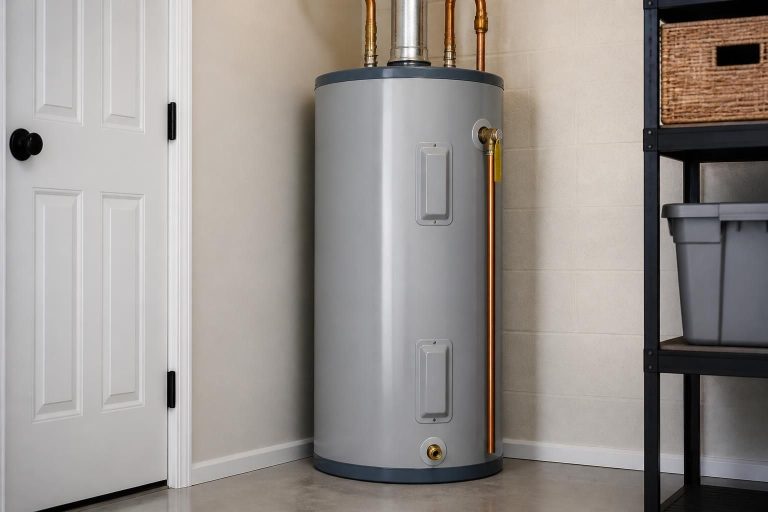
Repair or replacement: a practical comparison
| Consideration | Repair may make sense when… | Replacement may make sense when… |
|---|---|---|
| Problem and condition | The cause is limited, repairable, and the rest of the system is in suitable condition. | The tank is leaking or deteriorated, or evaluation finds broader equipment problems. |
| Repair history | This is an isolated issue and the repair is expected to address it. | Similar failures keep returning or the heater needs repeated work. |
| Age and coverage | The unit is otherwise serviceable and a relevant part or repair may be covered. | Condition, repair needs, and remaining coverage make continued repairs less practical. |
| Household needs | The current system continues to meet your hot-water needs. | Your household’s demand or preferences have changed and a different setup may fit better. |
These are decision factors, not a diagnosis. A symptom or a particular age alone cannot determine which option is right.
When a repair may make sense
A repair is worth discussing when evaluation identifies a specific problem that can be addressed and the heater is otherwise in reasonable condition. Compare the proposed repair with the system’s overall condition, prior service history, and the likelihood that the work will resolve the issue you are experiencing.
Before approving a repair, ask what was found, what the work includes, whether related parts or conditions could still affect performance, and whether the manufacturer’s warranty may apply. The model and serial number can help with a coverage check if the label is safely visible. Do not move or open the unit to find it.
When replacement may be worth considering
Replacement may be a sensible option when the tank itself is leaking, the heater is significantly deteriorated, the same problems keep returning, or the needed repair is not practical compared with a replacement estimate. Age is useful context, but there is no single age that proves a heater must be replaced. Condition, maintenance and repair history, warranty coverage, and the specific failure all matter.
Consider household needs as well. If the current heater often cannot keep up, ask whether capacity or system design is part of the problem. A replacement should be evaluated for the way your household uses hot water, not chosen by appearance or fuel type alone.
Why the source of a leak matters
Water near a heater can come from a pipe connection, valve, or another component, or it may be coming from the tank. A connection leak can call for a different repair than a leaking or corroded tank. Dampness at the base does not by itself establish where the water started, so a plumber’s evaluation is important before deciding to repair or replace.
From a safe distance, note where you first see moisture, whether it is spreading, and whether the water seems hot. Avoid touching wet equipment or electrical parts. If the leak is near electrical equipment, stay clear and contact a professional.
Gas or electric, tank or tankless?
Gas and electric describe the energy source. Tank and tankless describe how the system stores or heats water. These are separate choices: gas and electric models are available in more than one design, depending on the equipment.
A tank system stores a supply of heated water. A tankless model heats water as it flows, so its evaluation considers demand while several fixtures may be in use, along with the model’s fuel, electrical, and installation requirements. Those needs vary by unit. A tankless heater is not a direct, one-for-one comparison with a storage tank, and one type is not automatically the better fit for every household.
For additional background, the U.S. Department of Energy’s consumer water heater overview distinguishes storage and instantaneous equipment and describes energy sources. A.O. Smith’s water heater repair guidance discusses factors such as repairs, leaks, and warranty coverage.
Questions to ask before approving work
- What did the evaluation identify as the cause, and what remains uncertain?
- If repairing, what exactly will be repaired, and what could still require attention later?
- If replacing, what equipment type and capacity are being proposed, and why does it fit our household?
- Has the existing unit’s warranty been checked, and what coverage or exclusions apply?
- What does each estimate include, including parts, equipment, removal, and installation?
- How do the repair and replacement options compare in upfront cost and expected usefulness for this particular unit?
When calling, share the symptoms, when they started, where any water appears, whether the problem is constant or intermittent, and any previous repairs. If you can safely see the model label, note the model and serial number. This information helps a plumber understand the situation, but it does not replace an evaluation.
Safety if you notice a leak or suspect gas
Keep clear of leaking hot water and do not touch electrical equipment if the floor or surrounding area is wet. Do not attempt gas or electrical repairs. If you smell gas or suspect a gas leak, leave the building immediately. Do not operate lights, switches, phones, or other electrical devices inside; call the gas supplier or 911 from a safe location outside or at a neighbor’s home. The U.S. Consumer Product Safety Commission’s gas safety guidance (PDF) advises leaving and contacting help from a safe location.
Frequently asked questions
Does every water heater leak mean the unit must be replaced?
No. A leak at a connection or component can have a different remedy from a leak in the tank itself. The source needs to be identified before deciding.
Can I decide from the heater’s age alone?
No. Age can be one factor, but condition, repair history, coverage, and the diagnosed problem also matter. Ask for an explanation tied to the specific unit.
Is tankless always more efficient or less expensive to operate?
Not automatically. Performance and operating cost depend on the model, household use, energy source, and installation conditions. Compare suitable equipment rather than assuming one design will save money.
Should I keep repairing a heater that has needed several repairs?
Repeated repairs are a reason to compare options, but they do not by themselves prove replacement is necessary. Ask whether the current issue is related to earlier failures and review both estimates.
Can Roy’s Rooter evaluate both gas and electric, tank and tankless systems?
Yes. Roy’s Rooter repairs and installs gas and electric water heaters, including tank and tankless systems. Evaluation is needed to identify the specific issue and suitable next step.
Water heater service in Maineville and nearby Ohio
Roy’s Rooter offers water heater repair and installation in Maineville and nearby Ohio communities, including Mason. Learn about Water Heater Repair, Water Heater Installation, or Emergency Plumbing. For service in Mason, see the Mason water heater repair page.
For a water heater concern, call Roy’s Rooter at 513-202-6990 or Request Service. Roy’s Rooter offers free estimates and no trip charges. Contact us to discuss service in Maineville and nearby Ohio communities. More Plumbing Guides